Fast, licensed C. diff decontamination in Denver
From urgent repairs to planned installs, Denver Sewage Backup Cleanup's licensed team handles C. diff decontamination across Denver — with an upfront price agreed before any work begins.
C. diff decontamination in Denver
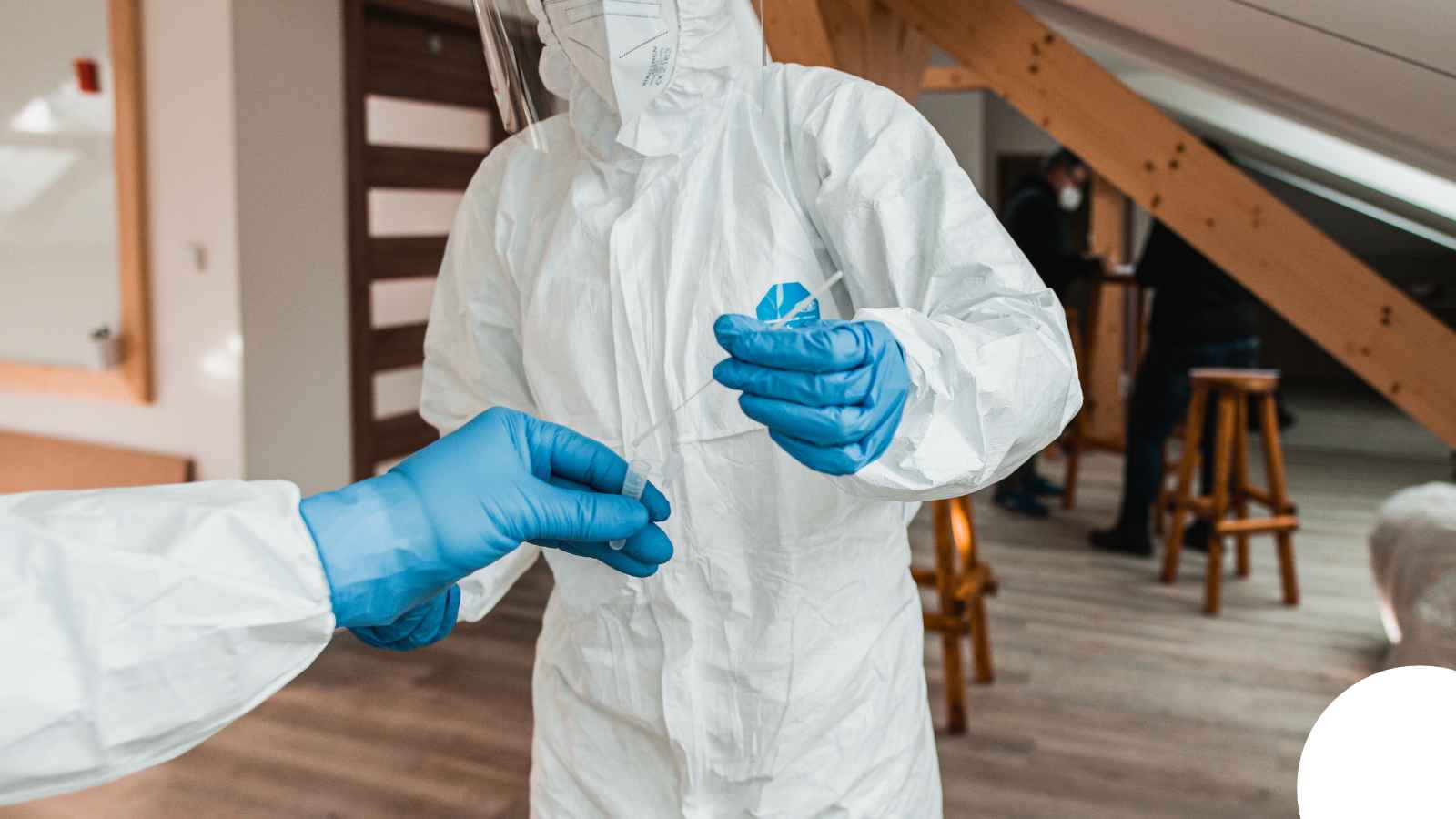
When a sewage backup or contamination event introduces Clostridium difficile (C. diff) into a Denver property, standard cleaning methods are not enough. C. diff is a spore-forming bacterium that can survive on surfaces for months, resistant to many common disinfectants and even hand sanitizers. Decontamination requires a specialized process that goes beyond simple scrubbing or fogging. The work begins with a thorough assessment to identify all affected areas, including hidden spaces behind baseboards, under flooring, and within HVAC systems. Because C. diff spores are easily spread by air currents or foot traffic, containment measures such as negative air pressure and physical barriers are set up to prevent cross-contamination. All porous materials that cannot be effectively cleaned—carpet, drywall, insulation—are removed and disposed of as biohazard waste. Non-porous surfaces then undergo a multi-step protocol: pre-cleaning with detergent to remove organic matter, application of an EPA-registered sporicidal disinfectant with a proven dwell time, and often a second treatment with a different chemistry to target any remaining spores. The entire process is validated by ATP testing or surface swab cultures to confirm spores have been eliminated.
Why does this matter specifically for Denver properties? Many of Denver’s older neighborhoods, from Capitol Hill to Baker, feature buildings with shared plumbing, aging infrastructure, and multi-unit layouts. A single backup in one unit can quickly spread C. diff spores through common hallways, ventilation systems, or even via maintenance staff. Additionally, Denver’s dry climate and frequent temperature swings can cause building materials to crack or shift, creating hidden pockets where spores can settle. For property managers, landlords, and homeowners, a C. diff outbreak is not just a health hazard—it can lead to prolonged closures, liability issues, and difficulty reoccupying the space. Proper decontamination ensures that the property is safe for vulnerable populations, including young children, elderly residents, and those with compromised immune systems, who are most at risk for severe C. diff infections.
Areas We Cover in Denver
We serve properties throughout Denver, including neighborhoods such as Abbey, Adonea, Alamo Placita, Arapahoe Square, Arista, and Arrowhead. Our teams are familiar with the layouts and common challenges of these areas, from the historic homes near the (closed) 10 Barrel Brewing Company to the newer developments around #Vybe. Whether you’re near the $1.26/scoop ice cream shop or the $3.99 Cleaners, our response time is based on the severity of the contamination, not the distance. We also cover nearby landmarks and commercial districts, ensuring that any property in the metro area can receive the specialized C. diff cleaning that standard restoration companies may not offer.
What to Expect
When you call for C. diff decontamination, expect a detailed initial consultation to determine the scope of contamination. A crew leader will explain the containment setup, the removal of affected materials, and the disinfection steps. You will be asked to vacate the area during treatment, and re-entry will be allowed only after air quality tests and surface swabs confirm the space is safe. We provide a written protocol and a final clearance report for your records, insurance claims, or health department requirements. The entire process is methodical—there are no shortcuts when dealing with C. diff spores.
If you suspect C. diff contamination in your Denver property—whether from a sewage backup, a medical facility spill, or unknown source—contact Denver Sewage Backup Cleanup to schedule a consultation. We will assess the situation, outline the necessary steps, and provide a clear estimate before any work begins.